
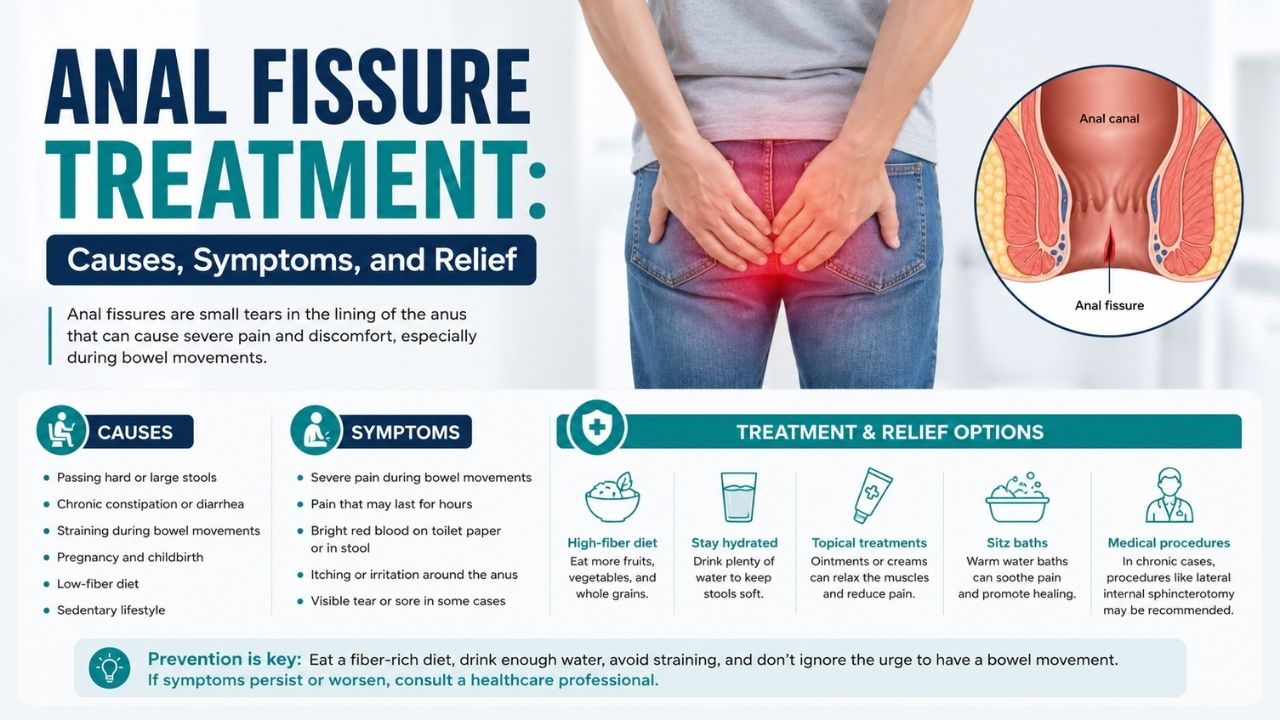
Seeking the right anal fissure treatment can be a turning point for individuals experiencing severe discomfort in their daily lives. The agonizing, sharp pain and psychological distress patients go through during bowel movements can be deeply isolating, often making them feel hesitant or embarrassed to look for professional help. Recognizing that this condition is highly treatable through a structured medical approach can relieve much of the anxiety surrounding recovery.
What is an Anal Fissure and Why is it So Painful?
An anal fissure is a small, superficial tear or cut in the delicate mucosal lining that lines the anal canal. Despite its relatively small physical size, the abundance of specialized nerve endings in this sensitive region makes any structural tear exceptionally painful, particularly when stretching occurs during toilet visits.
Drawing from the clinical insights provided by General Surgeon Dr. Güngör Gül, an anal fissure stands out as one of the primary causes of severe pain and noticeable bleeding in the anorectal region. When this condition manifests acutely or severely, it quickly turns into a truly agonizing, distressing, and debilitating condition that severely impacts the patient’s daily quality of life, turning simple biological functions into dreaded daily events.
The First Principle of Treatment: Conservative Medical Therapy
When approaching the resolution of an anal fissure, immediate surgical intervention is rarely the initial step in a modern clinical setting. Instead, the primary healthcare approach focuses entirely on relaxing the tight internal sphincter muscle, improving blood flow to the area, and allowing the torn mucosal tissue to heal naturally over time without structural alteration.
As outlined in the treatment protocols of Dr. Güngör Gül, the non-surgical medical methods utilized to treat this condition include:
- Warm Sitz Baths (Sıcak Su Oturma Banyoları): Sitting comfortably in a tub of plain warm water for 15 to 20 minutes effectively relaxes the involuntary internal anal sphincter muscle, increases localized blood circulation to the injury site, and significantly reduces acute post-bowel pain.
- Topical Creams and Ointments: Applying specialized, medically prescribed creams (such as calcium channel blockers or glyceryl trinitrate formulations) directly to the target area works to safely reduce resting muscle spasms, alleviate localized pain, and accelerate internal tissue regeneration.
- Dietary Adjustments: Systematically incorporating high-fiber foods, whole grains, and plentiful vegetables into your daily menu while simultaneously increasing clean water intake softens the stool, preventing further tearing or hard friction against the healing mucosa.
Surgical Options for Chronic Anal Fissures
While conservative therapies successfully resolve a large percentage of acute cases, they may not always provide a definitive cure for every patient. When an anal fissure becomes chronic, deeply ulcerated, and fails to respond to medical treatments, creams, or warm baths, advanced clinical intervention becomes necessary. In these specific scenarios, we must resort to surgical methods (such as Lateral Internal Sphincterotomy) to permanently relieve the underlying muscle spasm and guarantee definitive tissue healing.
Anal Fissure Management: Step-by-Step Clinical Approach
| Treatment Phase | Methods & Interventions | Expected Outcome |
|---|---|---|
| Phase 1: Conservative Care | Warm sitz baths, prescribed topical creams, high-fiber diet, stool softeners. | Relieves acute muscle spasms, stops bleeding, and heals the majority of acute tears. |
| Phase 2: Surgical Intervention | Day-case surgical procedures (e.g., Sphincterotomy or laser treatment) performed when medical therapy fails. | Permanently reduces sphincter pressure, eliminates chronic pain, and allows stubborn ulcers to close. |
Frequently Asked Questions About Anal Fissures
How can I differentiate between an anal fissure and hemorrhoids?
While both conditions share the symptom of rectal bleeding, the primary differentiator is the type of pain. An anal fissure typically causes a sharp, glass-like cutting pain directly during a bowel movement that can linger for hours afterward due to muscle spasms. Hemorrhoids, on the other hand, usually present as swollen tissues that cause a dull ache, constant pressure, itching, or painless bright red bleeding during wiping.
Is bleeding normal with an anal fissure?
Yes, seeing small amounts of bright red blood on your toilet paper or coating the surface of the stool is a classic symptom of an anal fissure. This happens because the passing stool stretches the canal and reopens the healing tear. However, any form of rectal bleeding should always be evaluated by a medical professional to rule out other complex gastrointestinal issues.
How long should I try medical treatment before considering surgery?
Generally, an acute anal fissure can heal within 4 to 6 weeks under a strict conservative regimen involving specialized topical creams, high-fiber dietary tracking, and warm sitz baths. If the symptoms persist past 6 to 8 weeks despite full compliance with the medical therapy, the fissure is classified as chronic and your surgical specialist may begin discussing minimally invasive interventions.
Is anal fissure surgery painful, and what is the recovery like?
Modern surgical techniques, such as a Lateral Internal Sphincterotomy or localized laser applications, are performed under appropriate anesthesia, meaning you will feel no pain during the procedure itself. Paradoxically, because the surgery instantly stops the continuous, agonizing resting muscle spasm of the sphincter, many patients report that their chronic pre-surgery pain drops significantly almost immediately after waking up. Full recovery of the tissue generally takes a few weeks, with minimal disruption to daily life.
Find Relief and Regain Your Comfort
Living with anorectal pain can be exhausting, but you do not have to suffer in silence. Whether you need a personalized medical treatment plan or are seeking advanced, minimally invasive surgical solutions in Turkey, GST Clinic is here to guide you with complete confidentiality and expert care. Contact us today to schedule your consultation.
Disclaimer: Results may vary from person to person. Please consult your physician for detailed medical advice before undergoing any surgical or interventional procedure.
