
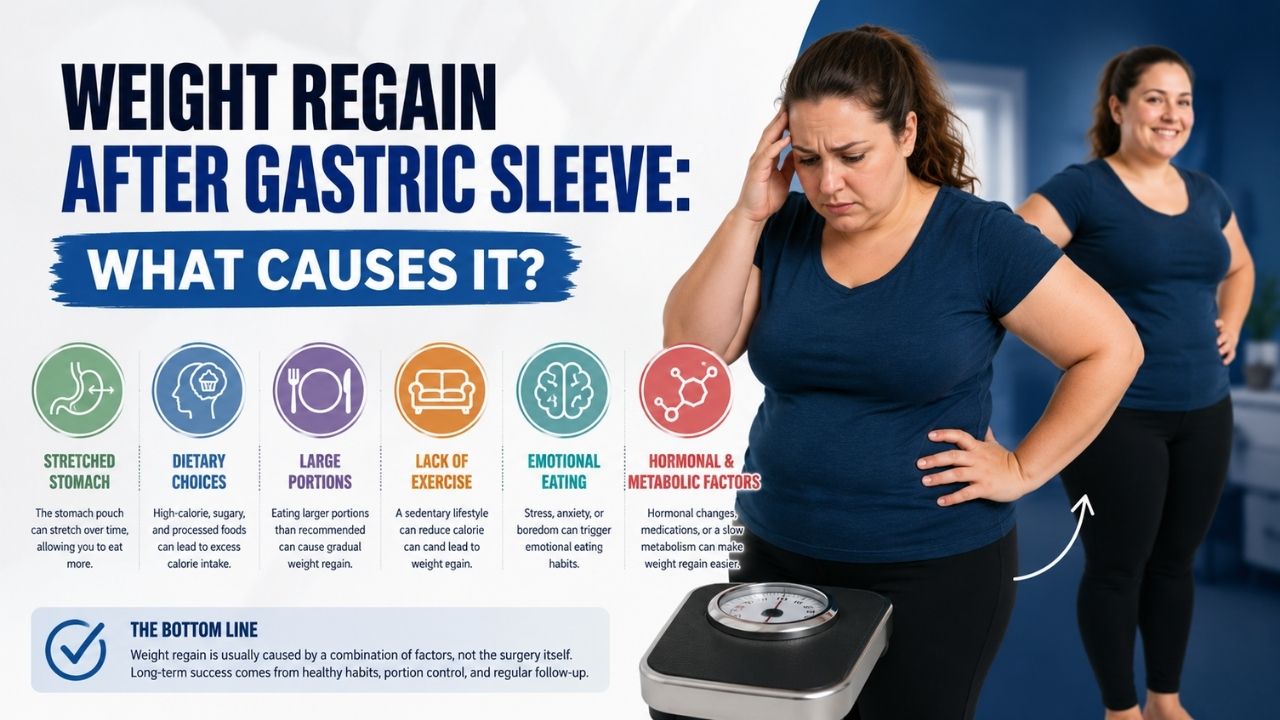
Experiencing weight regain after gastric sleeve surgery can be a deeply distressing and anxiety-inducing reality for many post-bariatric patients. Watching the numbers on the scale steadily climb after months or years of hard work often triggers a profound fear of failure, leading patients to believe they have broken their surgical tool permanently. However, understanding that weight regain is a physiological and behavioral hurdle—rather than a final verdict is the first step toward reclaiming control over your health and lifestyle.
The Reality of Weight Regain: Gastric Sleeve vs. Bypass
Bariatric surgery is one of the most effective medical tools available today for treating severe obesity and resetting metabolic function, but it is important to remember that it is not a magical cure. Long-term weight management remains a complex, dynamic process that requires lifelong commitment and alignment between surgical intervention and daily habits. Over time, the body naturally adapts to its new anatomy, and without structured clinical support, some degree of weight recurrence can take place.
According to clinical data and insights highlighted by Assoc. Prof. Dr. Gökmen Öztürk, weight regain statistics vary notably depending on the specific surgical method performed. Clinical studies demonstrate that weight regain occurs in approximately 20% of patients after Gastric Sleeve (Sleeve Gastrectomy). In comparison, patients who undergo classic Gastric Bypass experience a lower rate of recurrence, with weight regain occurring in about 10% (10 out of 100) of cases. These figures underscore the fact that maintaining long-term weight loss is a biological challenge across all surgical types, emphasizing the ongoing necessity of post-operative guidance.
Why Do Patients Regain Weight After Bariatric Surgery?
While mechanical changes in the stomach and natural metabolic adaptations play an initial role in weight fluctuations, behavioral habits and nutritional choices remain the primary drivers behind long-term weight regain. Identifying these factors early allows patients to modify their behaviors before significant regain occurs.
Based on the clinical observations of Dr. Öztürk, the core reasons for weight regain after bariatric procedures include:
- Gastric pouch stretching (midenin genişlemesi): Over time, the anatomical structure of the reduced stomach can gradually expand if subjected to consistent overeating, leading to an increased capacity for food and diminished feelings of early satiety.
- Diets heavily rich in carbohydrates and refined sugars: Reverting to high-glycemic foods causes rapid spikes in blood glucose and insulin levels, which triggers intense cravings, frequent hunger pangs, and increased fat storage.
- Consumption of acidic and sugary beverages: Liquids containing high amounts of sugar and carbonation bypass the restrictive restriction of the gastric sleeve completely, adding substantial empty calories without producing a sense of fullness.
- Overlooking routine follow-up checkups (düzenli kontrollerin yapılmaması): Missing scheduled clinical appointments detaches the patient from professional monitoring, making it difficult to detect subtle nutritional or metabolic deviations before they manifest as weight gain.
- Unaddressed vitamin and mineral deficiencies: Severe nutritional deficiencies can negatively alter metabolic rate, induce chronic fatigue, and cause the body to mistake a cellular need for micronutrients as a craving for high-calorie, easily digestible foods.
GST Clinic: Expert Insight on the “Fresh Start” Mindset
Bariatric surgery is not the final destination; it is a powerful psychological and physiological reset button. Patients must approach this journey viewing the operation as a brand-new beginning. To secure permanent success, you must consciously distance yourself from your old eating habits. Interestingly, clinical interviews with patients who experienced weight regain reveal that they don’t necessarily eat larger physical volumes of food than before; instead, they fall into the trap of consuming high-calorie processed items, liquid calories, and constant carbohydrates. Protect your reset by changing what you eat, not just how much.
Risk Factors and Regain Statistics at a Glance
| Surgery Type | Approximate Regain Risk | Primary Behavioral Drivers |
|---|---|---|
| Gastric Sleeve (Tüp Mide) | ~20% | High carbohydrate intake, sugary/acidic drinks, grazing on processed foods. |
| Classic Gastric Bypass | 10% (10 out of 100) | Skipping routine medical controls, metabolic adaptation, nutritional deficiencies. |
Frequently Asked Questions
Can my stomach actually stretch back out after a gastric sleeve?
Yes, the tissue of the stomach is naturally elastic and designed to expand. While a small amount of natural stretching is expected as the surgical site heals and adapts over the first year, frequent overeating, consuming carbonated beverages, or ignoring early fullness cues can cause the gastric sleeve to stretch out permanently. This structural change diminishes the physical restriction of the surgery, making it easier to overconsume calories.
Why does liquid sugar cause weight regain faster than solid food?
Liquid sugar, found in juices, sodas, blended coffee drinks, and milkshakes, lacks the fibrous bulk of solid food. Because it does not require digestion, it slips effortlessly through the restricted gastric pouch without activating the stretching receptors that signal satiety to the brain. This allows a patient to absorb hundreds of extra calories rapidly, resulting in elevated insulin levels and accelerated fat accumulation.
How often should I have follow-up controls after bariatric surgery?
Routine medical follow-ups are crucial for long-term weight maintenance and nutritional safety. Standard clinical protocols recommend medical checkups at 1 month, 3 months, 6 months, 12 months, and 24 months post-surgery, followed by mandatory annual evaluations for life. These sessions allow your healthcare team to check blood values, adjust supplement doses, and provide psychological reinforcement to keep your habits on track.
What should I do if I start gaining weight back?
If you notice the scale consistently going up, the most critical step is to seek medical and nutritional guidance immediately rather than succumbing to guilt or panic. Begin by logging your food and fluid intake, eliminating processed snacks, and prioritizing lean proteins. Contacting your bariatric team allows for a comprehensive evaluation to rule out mechanical complications and assess whether behavioral coaching or a revision procedure is necessary.
Take Control of Your Health Journey Again
Weight regain can be frustrating, but it is a hurdle you can overcome with the right medical guidance. If you need a supportive, professional team to help you get back on track or are considering revision surgery in Turkey, GST Clinic is here for you. Contact us today for a personalized consultation.
Disclaimer: Results may vary from person to person. Please consult your physician for detailed medical advice before undergoing any surgical or interventional procedure.
