
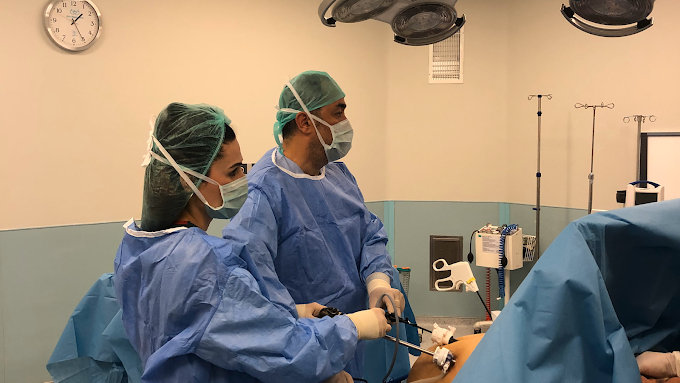
Gastric sleeve surgery (sleeve gastrectomy) is currently one of the most commonly performed bariatric procedures worldwide for the treatment of obesity and obesity-related conditions. Over the years of my clinical experience, I have had the opportunity to evaluate, treat, and follow hundreds of patients undergoing this procedure.
While the operation itself is technically well-established, the real determinant of success is not only surgical technique, but also patient education, expectations, and long-term behavioral adaptation.
In this article, I will share 10 clinically important truths about gastric sleeve surgery based on my medical practice, patient follow-ups, and real-world outcomes.
1. Gastric sleeve surgery is a powerful medical tool, not a standalone solution
One of the most important misconceptions I encounter in clinical practice is the expectation that surgery alone will permanently solve obesity.
Gastric sleeve surgery reduces stomach volume and influences hunger hormones such as ghrelin, which helps patients feel full sooner and eat less. However, this biological change must be supported by lifestyle modification.
Without dietary discipline and behavioral change, weight regain is possible even after technically successful surgery.
2. Long-term success depends on patient behavior more than surgery
From my experience, the most successful patients are not necessarily those who lose weight fastest, but those who consistently adapt their eating habits, portion control, and activity levels.
The surgery creates an opportunity for change. What patients do with that opportunity determines long-term outcomes.
At GST Clinic, we emphasize structured post-operative guidance because surgical intervention alone is not sufficient for sustained results.
3. Psychological readiness is a key factor often underestimated
Many patients focus only on physical preparation before surgery, while psychological readiness is equally important.
Obesity is frequently associated with long-term behavioral patterns such as emotional eating, stress-related food consumption, or reward-based eating habits.
In my clinical follow-ups, patients who address these psychological factors—either through counseling or self-awareness—adapt more successfully after surgery.
4. Weight loss is most rapid in the first year, but not linear
Typically, patients experience the most significant weight loss during the first 6 to 12 months after surgery. This is the period when dietary restriction and hormonal changes are most pronounced.
However, weight loss is not a straight, continuous process. Plateaus are expected and medically normal.
Understanding this pattern helps patients avoid unnecessary anxiety or frustration.
5. Individual response to surgery varies significantly
No two patients respond identically to gastric sleeve surgery.
Factors influencing outcomes include:
- Age
- Basal metabolic rate
- Hormonal profile
- Physical activity level
- Adherence to dietary recommendations
- Pre-existing metabolic conditions
In clinical practice, I have observed patients with similar starting weights achieving different results due to these variables.
6. Protein intake is essential for metabolic health
One of the most common nutritional challenges after surgery is insufficient protein consumption.
Protein is essential for:
- Preserving lean muscle mass
- Supporting metabolism
- Promoting healing
- Maintaining energy levels
Patients who fail to prioritize protein often experience fatigue, muscle loss, and slower recovery.
For this reason, structured dietary planning is a core component of post-operative care.
7. Vitamin and mineral supplementation is a lifelong requirement
Although gastric sleeve surgery is primarily a restrictive procedure, it still affects nutrient intake significantly.
In many cases, patients require long-term supplementation of:
- Vitamin B12
- Iron
- Vitamin D
- Calcium
Regular monitoring is essential to prevent deficiencies. In my clinical follow-ups, I emphasize that supplementation is not optional but a necessary part of long-term health maintenance.
8. Follow-up care directly impacts long-term success
Patients who attend regular follow-up appointments consistently achieve better outcomes.
Follow-ups allow:
- Monitoring of weight loss progress
- Nutritional adjustments
- Early detection of deficiencies
- Behavioral reinforcement
Patients who disengage from follow-up care are statistically more likely to experience suboptimal outcomes or weight regain.
This is why structured long-term monitoring is a core principle in bariatric care at GST Clinic.
9. Weight loss plateaus are normal and should not cause concern
A plateau is a period where weight loss temporarily slows or stops despite adherence to dietary recommendations.
In clinical practice, this is one of the most common concerns patients report. However, plateaus are physiologically normal and often temporary.
They may be influenced by:
- Metabolic adaptation
- Fluid retention
- Hormonal fluctuations
- Changes in physical activity
Proper guidance during these periods prevents patients from abandoning healthy habits.
10. Long-term lifestyle transformation is the real goal
The ultimate objective of gastric sleeve surgery is not only weight reduction, but also improvement in metabolic health, quality of life, and overall well-being.
Patients who successfully maintain results typically share one common factor: they adopt sustainable lifestyle changes.
These include:
- Balanced nutrition
- Regular physical activity
- Behavioral awareness
- Consistent medical follow-up
Surgery provides a starting point, but long-term transformation is achieved through consistent effort.
Clinical Perspective: What I Have Learned
Over years of clinical experience, one consistent observation stands out: gastric sleeve surgery is most effective when patients are fully informed before the procedure and actively supported afterward.
The difference between short-term weight loss and long-term success lies in education, expectation management, and structured medical guidance.
Patients who understand the process realistically tend to experience not only better physical outcomes but also higher psychological satisfaction.
